
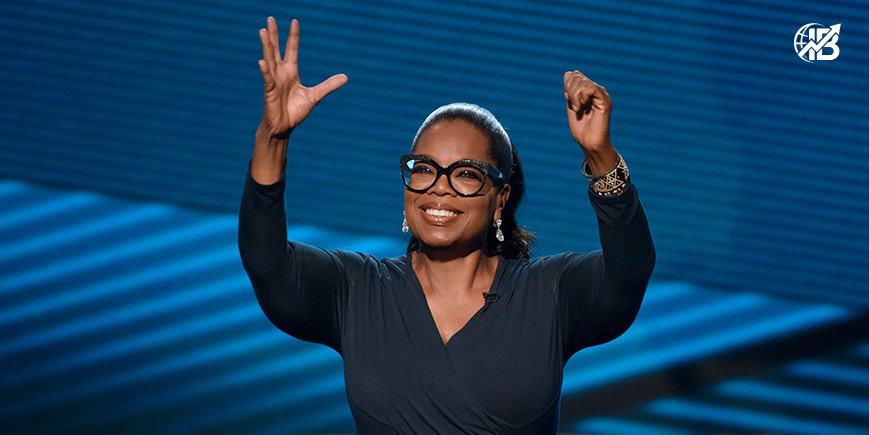
Oprah Winfrey: Building an Empire From Nothing
How Resilience and Authenticity Created a Global Brand
Oprah Winfrey’s rise from poverty to becoming the world’s first Black female billionaire is one of the most compelling success stories in modern history. Born in rural Mississippi in 1954 to a teenage single mother, Oprah spent her early years in extreme poverty, wearing potato sack dresses to school and enduring childhood trauma that would have broken most people. Instead, it forged one of the most powerful communicators the world has ever seen.
From an early age, Oprah demonstrated an extraordinary gift for storytelling and connection. She was raised for several years by her grandmother on a farm with no running water, but she could read by age three and was giving speeches in church before she was in grade school. A move to Milwaukee and then to Nashville to live with her father gave her stability, and she flourished academically, winning a full scholarship to Tennessee State University.
At 17, she landed a job at a local radio station. By 19, she was co-anchoring the local evening news in Nashville, becoming the youngest anchor and first Black female anchor in that city’s history. When she moved to Baltimore and later Chicago, her natural on-air warmth made her the host of a struggling morning talk show called AM Chicago. Within months, it was the highest-rated show in the city.
The show was renamed The Oprah Winfrey Show and went national in 1986. What separated Oprah from every other talk show host was her willingness to be vulnerably human. She discussed her own trauma, her weight, her relationships, and her fears on air — in an era when television hosts were expected to maintain polished distance from their audience. Viewers didn’t just watch Oprah. They trusted her.
That trust became the foundation of an empire. Her endorsement of books through Oprah’s Book Club created dozens of bestsellers overnight. Her endorsement of Barack Obama in the 2008 primary was estimated by researchers to have delivered over one million votes. Her ability to connect with people across race, class, and geography was unprecedented in media history.
In 1988, she took ownership and control of her show, founding Harpo Productions — named for herself (Oprah reversed). This move was strategically brilliant: rather than being a talent on someone else’s platform, she became the owner of her platform. She negotiated rights to her show, created productions, and eventually launched the OWN Network. Forbes estimated her net worth at over $2.5 billion.
Oprah’s leadership philosophy centers on authenticity, emotional intelligence, and purpose-driven work. She has frequently stated that her success was not the result of chasing fame or money, but of following what felt meaningful — first in broadcasting, then in storytelling, philanthropy, and education. Her Oprah Winfrey Leadership Academy for Girls in South Africa has educated hundreds of young women.
The business lesson Oprah represents is one the corporate world is only beginning to fully absorb: authentic brand equity is the most durable form of competitive advantage. In a world of manufactured personas, Oprah’s genuine humanity became her most powerful business asset. She didn’t build a brand and then find an audience — she was herself, and the audience found her.
Her story reminds every leader that the past does not determine the future, and that turning personal truth into professional purpose is not just an act of courage — it is, in business terms, the most powerful differentiator of all.
